

In today’s digital-first world, businesses have more opportunities than ever to reach new customers online. One of the most effective and measurable ways to do that is through PPC marketing. Whether you’re a business owner, digital marketer, or just exploring advertising strategies, PPC can help you achieve visibility and conversions—even if your business is new and has no online presence yet.

But what exactly is PPC, how does it work, and why is it so powerful for businesses?
Let’s dive into a beginner-friendly explanation.
What Does PPC Mean?

PPC stands for Pay-Per-Click, a type of online advertising in which businesses only pay when someone clicks their ad.
Instead of paying for ad placement, you pay for actual results—clicks.
Here’s a simple way to understand it:
-
You run an ad on a platform like Google or Facebook.
-
The ad appears in front of people likely to be interested.
-
You pay only when someone clicks.
Example:
If your ad gets shown 1,000 times but only 30 people click on it, you pay only for those 30 clicks.
That makes PPC cost-effective because you pay only for real engagement.
Where Do PPC Ads Appear?

PPC ads appear on multiple digital platforms. Some common places where businesses run PPC campaigns include:
-
Search engines like Google and Bing
-
Social media platforms such as Facebook, Instagram, and LinkedIn
-
YouTube as video ads
-
Display ads on websites across the internet
Each channel reaches people differently.
Google reaches potential buyers who are actively searching for something. Facebook and Instagram reach people based on their interests and behaviors.
How Does PPC Work? The Simple Breakdown

PPC seems complicated at first, but the process is straightforward. Here’s a simple breakdown:
-
You choose your audience (who will see your ad).
-
You select keywords or targeting criteria.
-
You set a budget and tell the platform how much you’re willing to pay per click.
-
The platform shows your ad to the people who fit your targeting.
-
You pay only when someone clicks.
PPC operates like an auction. Multiple advertisers might want to show ads for the same keyword or audience. Google or Facebook evaluates who wins based on two things:
-
The bid amount (how much you’re willing to pay per click).
-
The quality of your ad (relevance and performance).
Even if someone bids higher than you, you can still win if your ad is more relevant. That means PPC rewards smart strategy, not just big budgets.
Why Do Businesses Love PPC Marketing?

There are several reasons PPC has become a must-use strategy for modern businesses:
1. Instant Visibility
Unlike SEO, which takes months to show results, PPC ads start delivering traffic as soon as you launch the campaign.
2. Laser-Focused Targeting
You can choose exactly who sees your ads. For example, you can target by age, interests, location, search intent, job title, or behavior.
3. Full Budget Control
You decide how much to spend daily or monthly. You can pause or stop ads anytime.
4. Measurable Results
Everything is trackable—including clicks, conversions, sales, and the cost of each action.
5. You Pay Only for Results
Impressions are free. You pay only when someone clicks.
These benefits make PPC one of the highest-return digital marketing strategies.
Different Types of PPC Ads

PPC isn’t just one type of advertisement. Here are the most popular variations:
Search Ads
These are the ads that appear at the top of Google search results. If someone searches “best real estate agent near me,” the first few results are usually ads.
Best for: Service-based businesses and lead generation.
Display Ads
These are visual ads (banners or images) that appear on websites. They are commonly used for brand awareness and retargeting.
Best for: Increasing visibility and reminding users about your product.
Social Media Ads
Platforms like Facebook, Instagram, and LinkedIn offer PPC ad placements. These allow businesses to target users based on interests, behavior, demographics, and location.
Best for: Reaching specific interest-based audiences.
Remarketing or Retargeting Ads
These ads target people who visited your website but didn’t take action. You show them ads again to remind them of your product.
Best for: Converting warm leads into customers.
Important PPC Terms Beginners Should Know
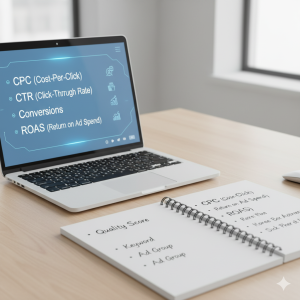
Here are some essential terms you’ll come across when learning PPC:
-
Cost Per Click (CPC): How much you pay each time someone clicks your ad.
-
Click-Through Rate (CTR): The percentage of people who saw your ad and clicked.
-
Conversion: The action you want the user to take, such as buying, subscribing, or filling a form.
-
Return on Ad Spend (ROAS): How much revenue you earn compared to how much you spent on ads.
Understanding these basic terms will help you measure success and make better decisions when advertising.
How PPC Helps Businesses Grow
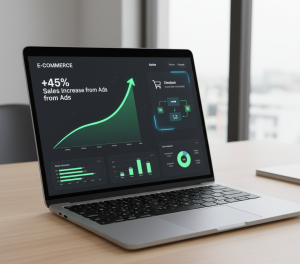
To fully understand the value of PPC, imagine this scenario:
You own an online store that sells skincare products. A person searches for “best face serum for glowing skin” on Google. If your ad appears at the top and the user clicks it, they’re already interested and close to making a purchase.
PPC connects businesses with customers who are ready to buy.
This is why PPC works exceptionally well for:
-
Online stores (eCommerce)
-
Local businesses (salons, gyms, restaurants)
-
Real estate agencies
-
Service providers (lawyers, consultants, coaches)
-
Digital product or course sellers
Instead of waiting for organic traffic, PPC puts your business in front of customers immediately.
Common PPC Mistakes and How to Avoid Them

Many beginners waste money because they commit these PPC mistakes:
-
Targeting too broad an audience
-
Using ads without a strong offer or call to action
-
Sending traffic to a homepage instead of a high-converting landing page
-
Not tracking conversions or analyzing data
To avoid these mistakes, make your ad message clear, target a specific audience, and send traffic to a landing page designed to convert.
How to Make PPC Ads Successful

Here are some effective tips to get the best results:
-
Use intentional keyword targeting instead of broad keywords.
-
Write ad copy that focuses on benefits, not features.
-
Create a compelling offer such as discounts or free trials.
-
Test multiple versions of ads and see which performs better.
-
Analyze performance data and optimize regularly.
Successful PPC campaigns are based not on guesswork but on testing and improving.
PPC vs SEO—The Difference
SEO helps generate organic traffic without paid ads, but it takes time. PPC gives immediate results, but you pay for each click. Many brands use both—PPC for instant results and SEO for long-term growth.
Final Thoughts

PPC marketing is one of the most powerful digital marketing strategies available today. It offers instant visibility, total targeting control, measurable results, and the ability to scale your business quickly. When set up correctly, PPC doesn’t just increase website traffic—it drives leads, customers, and sales.
If done strategically, PPC is not an expense.
It’s an investment that brings measurable returns.