

SEO is fluid, and 2025 still holds dramatic shifts in web page ranking, searching behaviour, and business optimisation. Keeping up with digital marketing relies on being attentive to these trends. This is a comprehensive manual, broken into actionable tips.
1. AI-Powered SEO
Artificial Intelligence (AI) is transforming search with user intent and context processing capabilities.
Tools like ChatGPT, SurferSEO, and Clearscope help marketers verify trends, develop content ideas, and rank better.
Artificial Intelligence (AI)-driven SEO makes keyword analysis smart, suggests content, and makes predictive analysis smart.

2. User Experience (UX) Becomes Critical
Google increasingly rewards sites with excellent UX.
Key Web Vitals, page loading times, mobile usability, and secure browsing are critical ranking signals.
Excellent UX reduces bounce rates and increases engagement, causing search rankings to soar.

3. Voice Search Optimization
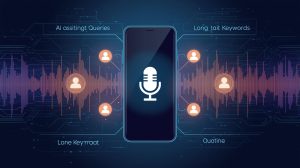
Voice search assistants like Siri, Alexa, and Google Assistant are revolutionising the way humans search.
Voice search queries will be conversational, long-tail phrasing.
Natural language optimization, FAQs, and nicely formatted answers become a requirement to rank for voice search traffic.
4. E-E-A-T: Expertise, Experience, Authoritativeness, Trustworthiness
Google is placing a focus on E-E-A-T in an attempt to give high-quality search results.
Websites need authoritative content, expert authors, and reputable sources.
This is extremely crucial for YMYL topics like health, money, and law.

5. Visual & Video Search
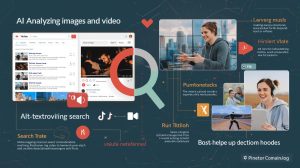
AI-based tools now support searching by pictures or videos.
Optimisation of images using alt tags, file names with descriptions, and schema markup is required.
Video SEO is gaining momentum — YouTube, TikTok, and Google Videos drive traffic and engagement.
6. Mobile-First Indexing
Google crawls and indexes the mobile version first for sites.
Websites must be mobile-friendly, fast-loading and responsive.
Mobile optimisation destroys rankings and user experience if not heeded.

7. Expansion of Local SEO
The expansion of local search is increasing, especially for “near me” searches.
Google Business Profile, review, citation, and optimisation of local content are crucial.
AI helps in providing hyperlocal search results via monitoring of user behaviour and location.

8. Structured Data & Schema Markup
Structured data improves content clarity to search engines and increases visibility.
Schema markup can facilitate richer, more in-depth search results with rich snippets, FAQ pages, ratings, and events.
Websites using schema will have higher click-through rates from search results.

9. Long-Form, Topic-Cluster Content
Google favours ranking long-form content that covers topics in-depth.
It is simpler to organise content based on pillar pages and subtopics with topic clusters.
This strategy boosts domain power, internal linking, and user experience.

10. Zero-Click Search Optimization
The majority of searches nowadays have results on Google itself, without the user needing to visit a site.
Answer boxes, featured snippets, and knowledge panels dominate search results.
Short, well-formatted answers: content optimisation boosts rates of being featured.

11. Semantic Search & NLP
Semantic search allows Google to understand meaning and context instead of keyword words.
Natural Language Processing (NLP) keeps the content aligned with what the searcher is looking for.
Optimise on semantic keywords, LSI keywords, and context content.

12. AI Content Detection & Humanized Content
Search engines are evolving to be able to detect AI content.
High-quality humanised content is the key to long-term ranking sustainability.
Utilise AI tools for research and optimisation but make it appear original and authentic.

13. Privacy-First SEO
User privacy is becoming the problem with cookie restrictions and GDPR.
SEO strategy and AI must adjust with privacy-first tracking and consent marketing.
Invest in first-party data, secure websites, and trust indicators for better rankings.

14. Predictive SEO & Advanced Analytics
Analytics powered by AI can predict search patterns and traffic trends.
Google Analytics 4, Ahrefs, and SEMrush provide actionable insights.
Content calendars can be scheduled, keywords optimised, and competitors tracked efficiently.

15. Cross-Platform Search Content
Consumers search Google, social media platforms, video platforms, and shopping websites.
Cross-platform search optimisation optimises visibility and engagement.
Examples: Amazon product SEO, YouTube SEO, Pinterest SEO.

✅ Key Takeaways
AI, UX, and mobile-first indexing dominate the 2025 SEO trends.
Optimise for humanised content, E-E-A-T, structured data, and topic clusters.
Voice search, visual search, local SEO, and cross-platform discoverability have to be optimised.
AI applications, if utilised to the best of their ability, can scan for trends, predict keywords, and content optimise efficiently.
Staying abreast of SEO trends means translating into better rankings, traffic, and conversions in today’s competitive online marketplace.
Final Thought:
2025 SEO is a combination of man’s creativity and artificial intelligence. Businesses that incorporate these trends not only position themselves ahead but also provide a better search experience to their consumers. To stay at the top in SEO means adopting technological advancements while maintaining content as original and consumer-orientated.